

Self-Employment Tax Deduction: How 1099 Earners Get Back Half

Jeremy Knight, CPA • November 3, 2026

Quick answer: If you earn $400 or more in net self-employment income, you pay self-employment tax of 15.3% for Social Security and Medicare, the share an employer would normally split with you. You get to deduct half of that tax from your income. Every legitimate business expense you claim also lowers your profit, which lowers both your income tax and your self-employment tax.

Self-employment tax at a glance

  • Who pays it: Self-employed people with $400+ in net earnings
  • Rate and deduction: 15.3% (12.4% Social Security up to the annual wage cap + 2.9% Medicare); half is deductible
  • Records to keep: All income records, business expense totals, W-2s, estimated tax payments

What affects your self-employment tax

  • Your gross business income from 1099-NEC, 1099-K, cash, checks and app payments
  • Your total business expenses (every legitimate deduction lowers it)
  • Any W-2 wages you also earned, which count toward the Social Security wage cap
  • Whether you made quarterly estimated payments

What this deduction is not

  • It isn't a business expense; it's an adjustment that reduces your income on your 1040
  • It doesn't reduce the self-employment tax itself; it reduces your income tax
  • It doesn't apply to W-2 employees, whose employer pays half of these taxes

How to gather your self-employment records

  1. Collect every 1099-NEC and 1099-K you receive in January.
  2. Pull your own income records (invoices, deposits, app statements); not every payer sends a 1099.
  3. Total your business expenses by category.
  4. Gather any W-2s from jobs you also worked.
  5. List every estimated tax payment with the date and amount.

How to organize and bring your data to Hub City Tax Pros

  1. Put all income documents in one folder and write your own income total on top.
  2. Put expense totals by category on one page.
  3. Add your W-2s and estimated payment list.
  4. Bring everything to our Lubbock office. We'll also set up next year's quarterly estimates so April isn't a surprise.

Common mistakes

  • Reporting only income that came with a 1099
  • Skipping estimated payments and owing penalties
  • Missing expenses that would have lowered both taxes

Frequently asked questions

What is the self-employment tax rate?

15.3% on most net self-employment earnings: 12.4% Social Security (up to the annual cap) plus 2.9% Medicare.

Can I deduct my self-employment tax?

You can deduct half of it as an adjustment to income.

How can I lower my self-employment tax?

Claim every legitimate business expense with good records; lower profit means lower self-employment tax.

Bring your records to Hub City Tax Pros

Bring your income and expense records to Hub City Tax Pros. Walk in or call (806) 810-5798. Our CPAs and IRS Enrolled Agents at 4414 82nd St., Suite 214, Lubbock, TX 79424 (The Village Shopping Center) will review your numbers, make sure every eligible dollar counts, and file your 1040 with transparent pricing. Locally owned in Lubbock, not a franchise. No appointment needed during tax season. Real tax pros. Real prices. Right here on 82nd.

This article is general information for tax year 2026, not tax advice for your situation. Tax rules change; bring your records in and we'll apply the rules that fit you.

Self-employed parent reviewing health insurance premium statements
By Jeremy Knight, CPA • October 30, 2026
Self-employed? Health, dental, vision and long-term care premiums may be deductible if you meet two tests. See the rules and what to bring to Hub City Tax Pros in Lubbock.
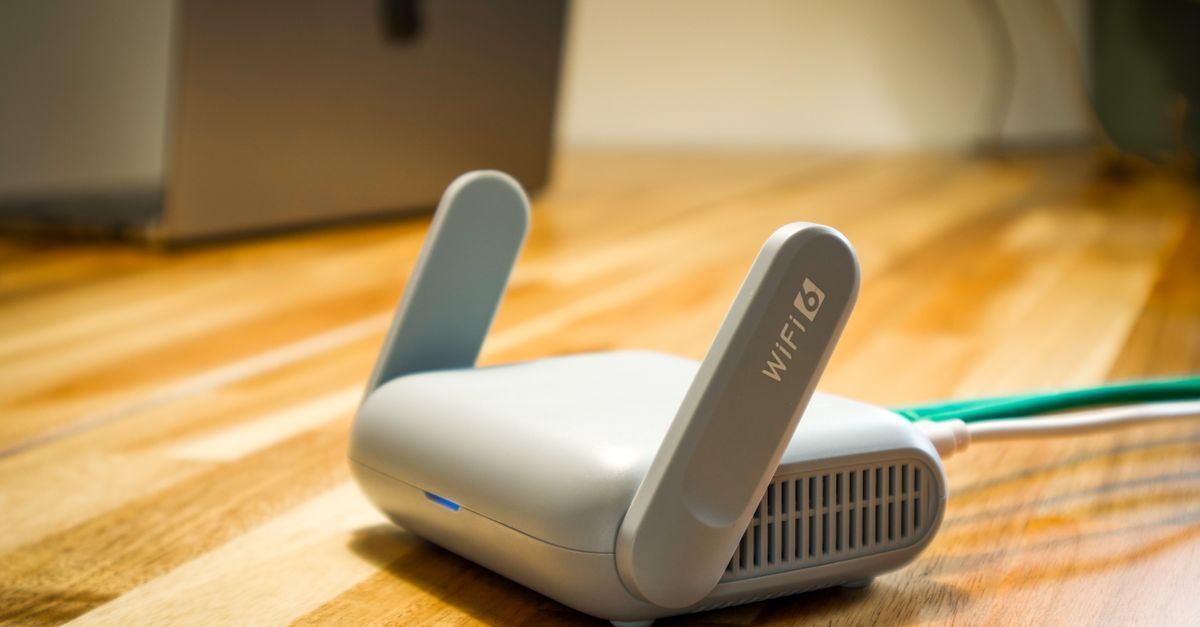
Cell phone and home internet router used for a self-employed business
By Jeremy Knight, CPA • October 27, 2026
Self-employed? You can deduct the business-use share of your cell phone and home internet. Learn how to figure your percentage and what to bring to Hub City Tax Pros.